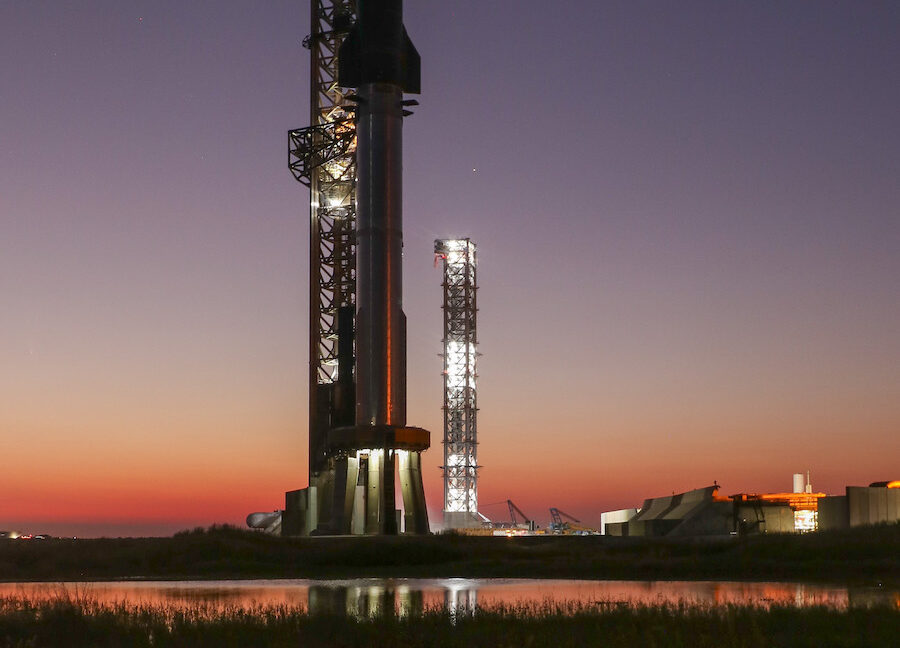
SpaceX’s Texas Launch Site Gets Green Light
In a significant step forward for private space exploration, the Federal Aviation Administration (FAA) has granted SpaceX permission to conduct up to 25 launches per year from its Starbase facility in Boca Chica, Texas. This decision, reported by Ars Technica, signals a major opportunity for the company to ramp up its ambitious Starship program, provided it resolves ongoing reliability concerns with the spacecraft.
A Win for Innovation and Independence
This FAA clearance reflects a broader trend of empowering individual enterprise over heavy-handed regulation. By allowing SpaceX to operate at this scale, the government is stepping back, letting private ingenuity drive progress in space technology. The ability to launch frequently from Texas positions SpaceX to test and refine its Starship—a reusable rocket designed for interplanetary travel—without excessive bureaucratic hurdles. This fosters an environment where bold ideas can flourish, unencumbered by overreach.
Boosting the Free Market in Space
The decision also underscores the power of open markets in advancing human exploration. SpaceX, under Elon Musk’s leadership, has consistently pushed boundaries by prioritizing efficiency and cost-effectiveness. With the capacity for 25 launches annually, the company can accelerate its mission to make space travel more accessible, potentially lowering costs for satellite deployments, lunar missions, and even Mars colonization efforts. This market-driven approach benefits not just SpaceX but also consumers and industries relying on space-based services.
Challenges Ahead for Starship
While the FAA’s approval is a milestone, SpaceX must address Starship’s reliability issues to fully capitalize on this opportunity. Past test flights have revealed challenges with the rocket’s design and performance, including explosive failures during landing attempts. However, with fewer regulatory constraints, the company has the freedom to iterate quickly, learning from each launch to improve safety and efficiency. This hands-off stance from authorities allows for rapid innovation, a cornerstone of progress in high-stakes fields like aerospace.
Looking to the Future
The FAA’s decision to permit 25 launches per year from Texas is more than just a regulatory update; it’s a nod to the potential of private companies to lead humanity into the cosmos. By minimizing interference and trusting in the capabilities of innovators like SpaceX, we’re witnessing the dawn of a new era in space exploration—one driven by personal initiative and market forces. As SpaceX works to perfect Starship, the skies above Boca Chica could soon become a gateway to the stars, proving that freedom to experiment and compete yields extraordinary results.
Read on ARSTECHNICA