A nation silenced, wires cut cold,
Freedom’s voice, once brave, now untold,
Digital chains bind hearts apart,
Restore the web, let healing start.
Telecom Crisis Grips Afghanistan
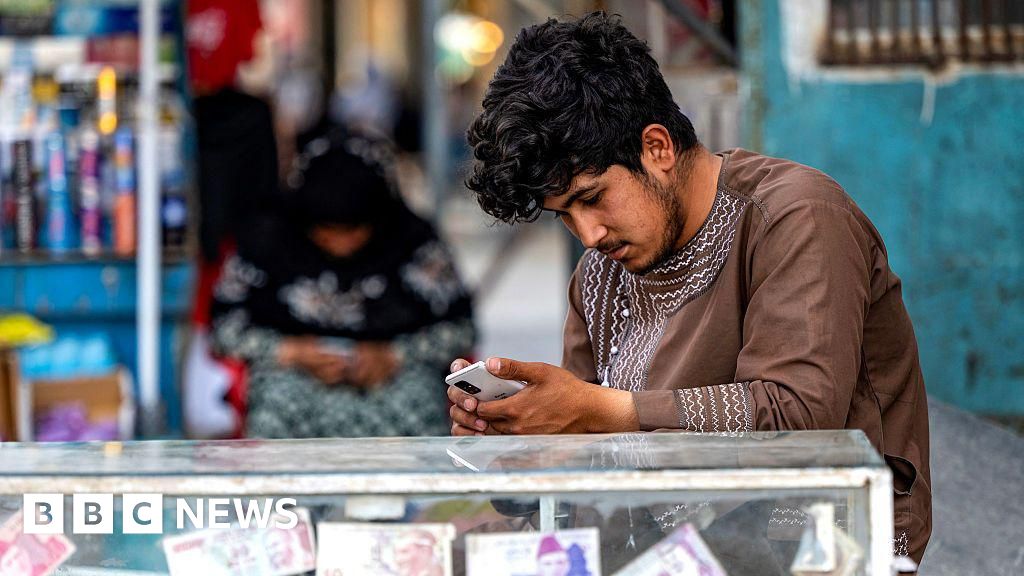
Afghanistan is experiencing a nationwide telecom shutdown, with phone and internet services completely disrupted. According to BBC News, the Taliban have severed critical fibre-optic connections, plunging the country into a digital blackout. This drastic move has left millions of Afghans cut off from communication, access to information, and essential online services.
Impact on Individual Autonomy
The loss of internet access strikes a severe blow to personal freedom. In today’s world, connectivity is a lifeline for self-expression, education, and staying informed. Without it, Afghans are isolated from global conversations and unable to share their voices or seek support. The ability to connect freely is a cornerstone of human dignity, and this shutdown undermines that fundamental right.
A Call for Open Markets and Limited Oversight
This crisis highlights the importance of systems that prioritize open access over centralized control. When infrastructure like telecom networks is vulnerable to abrupt interference, it reveals the need for decentralized, market-driven solutions that empower individuals rather than restrict them. A framework with minimal top-down intervention could foster resilient communication networks, ensuring that no single entity can silence an entire nation overnight.
Broader Implications for Afghanistan
Beyond personal impact, the telecom shutdown affects businesses, emergency services, and humanitarian efforts. Entrepreneurs relying on digital platforms for trade are stalled, while families cannot reach loved ones during crises. International aid organizations, already grappling with challenges in the region, face additional hurdles in coordinating support. The ripple effects of this blackout are profound, touching every aspect of daily life.
Global Response and Future Outlook
The international community has expressed concern over the Taliban’s actions, with calls for restoring connectivity echoing across borders. Access to information is a universal need, and many argue that such restrictions only deepen Afghanistan’s struggles. As the situation unfolds, the hope is for solutions that prioritize the free flow of communication and safeguard against future disruptions. The world watches, waiting for a resolution that reconnects Afghanistan to the global network.
Read on BBC