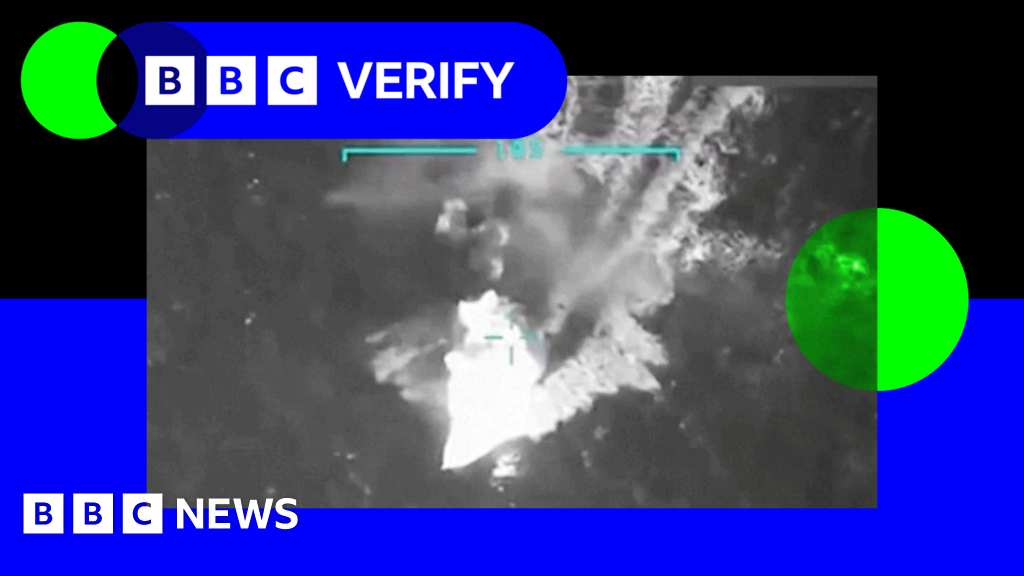
A boat on the waves, a strike in the night,
US power unleashed, was it wrong or right?
Freedom's banner, yet borders ignored,
Law of the sea, a rule to be restored.
Unpacking the US Strike on a Venezuela Drug Boat
In a recent operation, the United States conducted a strike on a boat off the coast of Venezuela, targeting what officials described as a drug trafficking vessel. The attack resulted in the deaths of 11 individuals, believed to be members of a cartel. According to reports from BBC News, this bold move has sparked significant debate over its legality and the broader implications for international relations.
The operation underscores a commitment to combating drug trafficking, a scourge that undermines personal freedom and community safety. However, the means of enforcement raise critical questions. Should a single nation take unilateral action on the high seas, or should such efforts be coordinated through global agreements to respect sovereignty and individual rights?
Was the Strike Legal Under International Law?
Experts cited by the BBC suggest that the strike may violate international law, particularly the principles governing the use of force in international waters. The United Nations Convention on the Law of the Sea (UNCLOS) typically requires nations to respect the rights of vessels in international zones, barring exceptional circumstances like piracy or explicit consent from the flag state—in this case, Venezuela.
Critics argue that such actions, if unchecked, could set a dangerous precedent, eroding the autonomy of nations and individuals alike. A system where might dictates right threatens the very freedoms that anti-drug efforts aim to protect. Advocates of limited government intervention stress that international cooperation, rather than unilateral strikes, better aligns with a framework that prioritizes personal liberty and mutual respect among nations.
Broader Implications for Global Policy
This incident also highlights the tension between national security interests and the principles of a free, open world. While curbing the drug trade is a shared goal, the methods matter. A market-driven approach—focusing on reducing demand through education and opportunity rather than military action—could offer a more sustainable solution. Empowering individuals to make informed choices, rather than imposing top-down control, aligns with the vision of a society where personal responsibility and voluntary exchange guide progress.
As the debate unfolds, the US strike on the Venezuela drug boat serves as a reminder of the delicate balance between security and freedom. It challenges us to consider how best to address global issues without sacrificing the principles of self-governance and respect for borders. The international community awaits further clarity on the legal ramifications, but one thing is certain: this event will fuel discussions on how to tackle crime while preserving the rights of all.
Read on BBC