Trump’s bombs fell, with boasts so grand,
Yet Fordow stands, in mountain’s hand.
Billions spent, for craters small,
Iran’s nukes still heed the call.
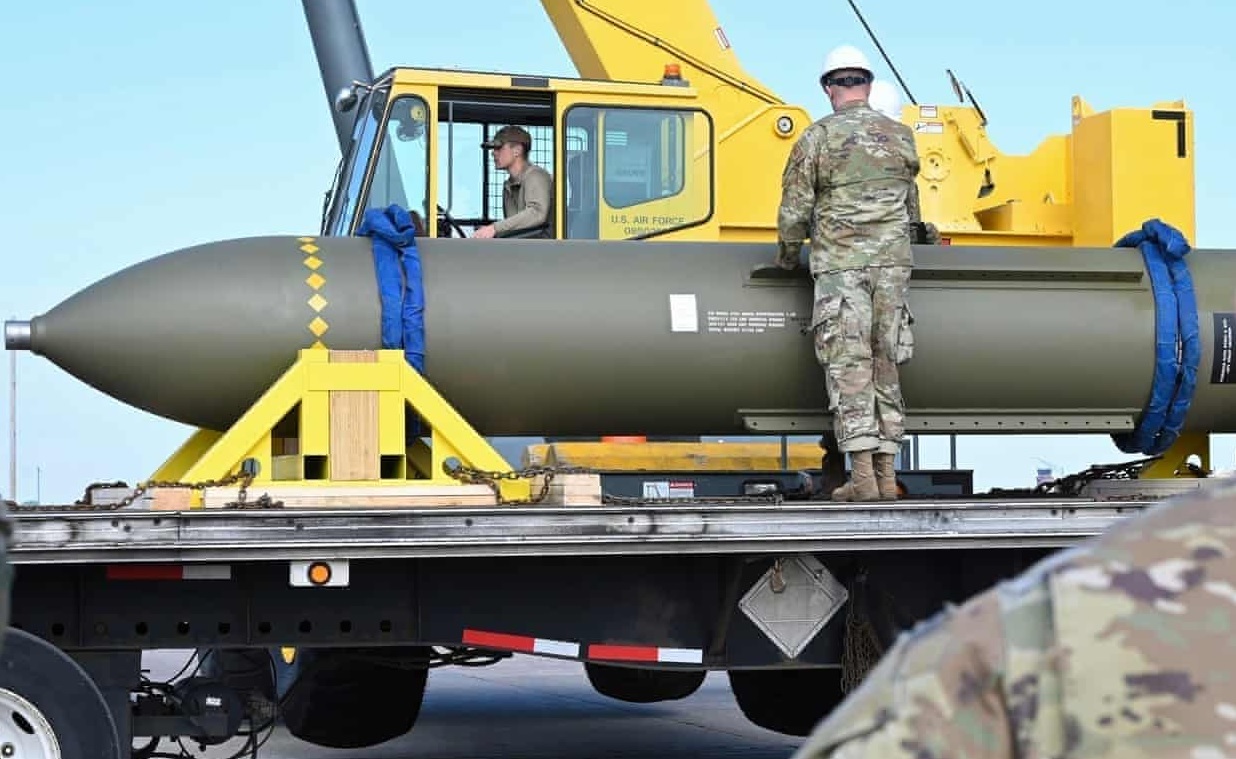
President Donald Trump’s bold claim that U.S. airstrikes “completely obliterated” Iran’s nuclear capabilities has been debunked by a Pentagon assessment. On June 22, 2025, the U.S. dropped 14 GBU-57 Massive Ordnance Penetrator bombs on Iran’s fortified Fordow uranium enrichment facility, aiming to cripple its nuclear ambitions. Yet, a Defense Intelligence Agency (DIA) report, based on U.S. Central Command’s damage assessment, reveals the strikes failed to destroy Iran’s uranium stockpiles or centrifuges, setting back its program by mere months. This misstep exposes the limits of military bravado and raises questions about U.S. strategy in the Middle East.
The Strike and Its Fallout
Operation Midnight Hammer saw seven B-2 stealth bombers deploy 14 GBU-57 “bunker buster” bombs on Fordow, a facility buried 80-90 meters under a mountain near Qom. Trump and Defense Secretary Pete Hegseth hailed the attack as a “spectacular success,” claiming it obliterated Iran’s nuclear sites, including Fordow, Natanz, and Isfahan. However, the DIA’s preliminary findings, reported on June 25, 2025, paint a different picture: most centrifuges remain intact, and Iran’s stockpile of 60% enriched uranium—enough for up to 10 bombs—was likely moved before the strikes. Satellite imagery shows six craters and debris, but no conclusive damage to the underground enrichment halls.
Iran’s Resilience and U.S. Miscalculation
Iran’s foresight in evacuating Fordow, evidenced by truck activity days before the attack, ensured its 2,700 centrifuges and uranium reserves survived. The GBU-57, designed to penetrate 60 meters of earth, fell short against Fordow’s deeper fortifications. Experts like Joseph Cirincione argue the facility’s construction makes it nearly impervious to conventional bombs, requiring multiple precise hits—an untested feat. The DIA estimates Iran’s nuclear program was delayed by only a few months, contradicting Trump’s claims of total destruction and highlighting a strategic overreach that failed to deliver.
Libertarian Perspective: Non-Intervention Over Military Hubris
From a libertarian viewpoint, the Fordow strike epitomizes the folly of U.S. interventionism. Spending billions on a flashy bombing campaign that barely dents Iran’s nuclear capabilities wastes taxpayer resources and escalates tensions without clear gains. Libertarians advocate for diplomacy and economic pressure over military action, which risks civilian lives and regional stability. The failure to destroy Fordow’s core infrastructure proves that bombing cannot erase Iran’s nuclear know-how. Instead of fueling conflict, the U.S. should prioritize non-intervention and let markets and sanctions shape Iran’s behavior, avoiding entanglements that erode liberty at home.
A Global Warning
The strikes’ limited impact reveals the challenges of targeting fortified sites like Fordow, built to withstand even nuclear attacks. Iran’s claim of evacuating materials, backed by satellite imagery showing pre-strike truck movements, suggests Tehran anticipated the attack. This resilience, coupled with the IAEA’s inability to track Iran’s 400kg of 60% enriched uranium, raises concerns about covert facilities. The U.S. action, while tactically impressive, may embolden Iran to accelerate its program, risking further escalation. The international community, including Russia and China, pushes for diplomacy, a path Trump sidelined in favor of force.
A Call to Rethink U.S. Strategy
The Fordow failure is a wake-up call for Americans. Conservatives and libertarians must question the wisdom of costly military adventures that yield minimal results. The $2 billion operation, dubbed a “fireworks show” by critics, underscores the need for smarter, non-military solutions to Iran’s nuclear ambitions. Diplomacy, backed by robust sanctions and international inspections, offers a better chance to curb Tehran’s program without risking war. Americans should demand accountability from leaders who overhype military successes while ignoring the long-term costs to freedom and security.
Conclusion: The U.S. strike on Iran’s Fordow facility, hyped by Trump as a deathblow to its nuclear program, was a costly failure. The DIA’s assessment shows intact centrifuges and relocated uranium, with Iran’s ambitions delayed by mere months. This miscalculation highlights the limits of military force and the need for diplomatic solutions. Conservatives and libertarians must push for non-interventionist policies that prioritize liberty and avoid squandering resources on futile conflicts. The Fordow fiasco is a lesson: bombs don’t solve everything, and hubris costs us all.
Read on THEGUARDIAN