Trump’s AI deals make the desert bloom,
But China hawks cry, “It’s tech’s doom!”
With Saudis and UAE in the race,
Free markets dance, while hawks lose face.
AI Deals in the Middle East: A Bold Move
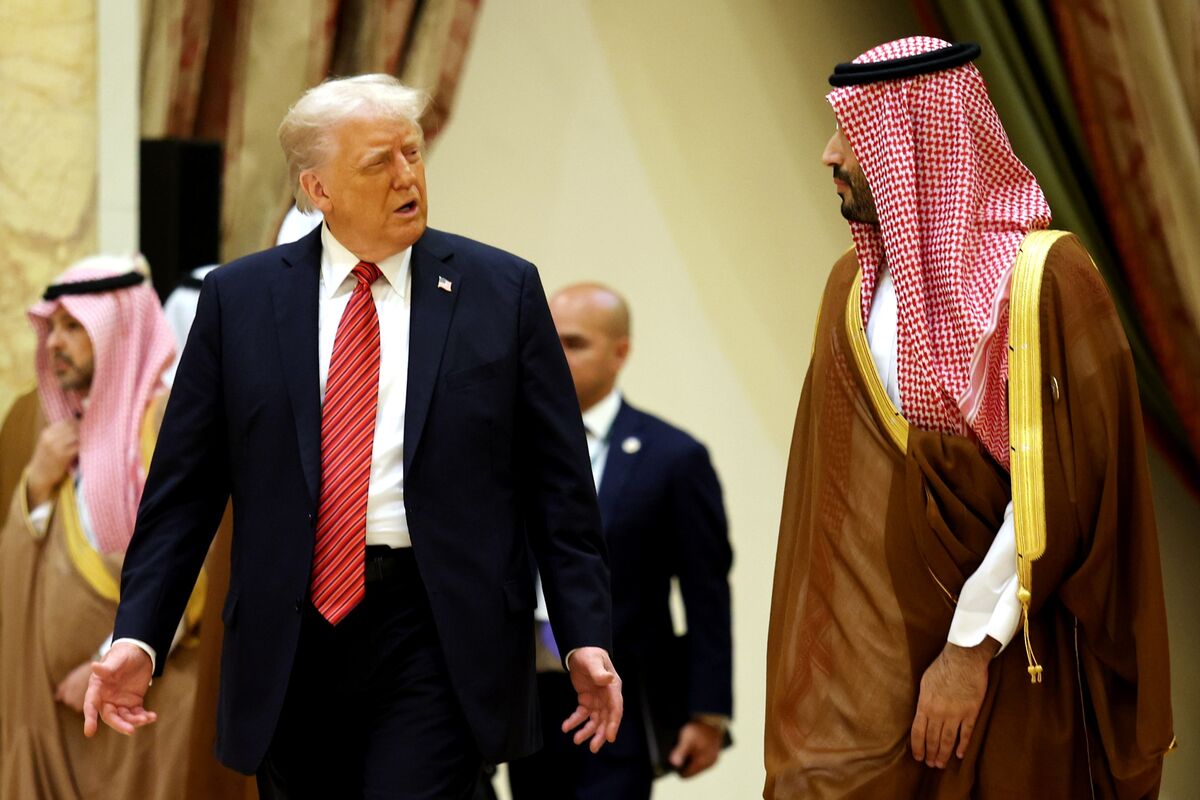
President Donald Trump has been making waves during his recent Middle East tour, securing a series of artificial intelligence (AI) partnerships with Saudi Arabia and the United Arab Emirates. These deals aim to position the US as a leader in cutting-edge technology while fostering economic ties with key allies in the region. The focus on AI underscores a vision of innovation driven by private enterprise, where individual initiative and market forces pave the way for progress with minimal government overreach.
Concerns from China Hawks
However, not everyone in Trump’s administration is on board. A faction often referred to as 'China hawks' is sounding the alarm, warning that these deals could jeopardize national security and economic priorities. They argue that sharing advanced AI technology with foreign partners risks leakage of sensitive information, potentially benefiting adversaries like China. This internal rift highlights a broader debate about balancing open markets and global collaboration with the need to protect American interests.
National Security at Stake?
The primary concern among critics is the possibility that AI technologies developed through these partnerships could be exploited. With China aggressively pursuing dominance in AI, any misstep could undermine the US’s competitive edge. Critics advocate for stricter controls and a more cautious approach, emphasizing that safeguarding innovation must take precedence over rapid deal-making.
Economic Implications
Beyond security, there are economic worries. The China hawks fear that these Middle East partnerships might dilute America’s technological leadership, allowing other nations to close the gap. Yet, supporters of the deals argue that fostering international collaboration through free markets can drive innovation and create opportunities for American businesses to thrive on a global stage.
A Path Forward
As this divide within the administration unfolds, the challenge lies in striking a balance. Can the US champion individual freedom and market-driven solutions while addressing legitimate security concerns? Trump’s push for AI deals reflects a belief in the power of private enterprise to shape the future, but it also underscores the need for clear policies to protect national interests. For now, the debate continues, with the world watching how this tension will shape America’s role in the global tech race.
Read on BLOOMBERG