Trump's New Directive on Immigration Enforcement
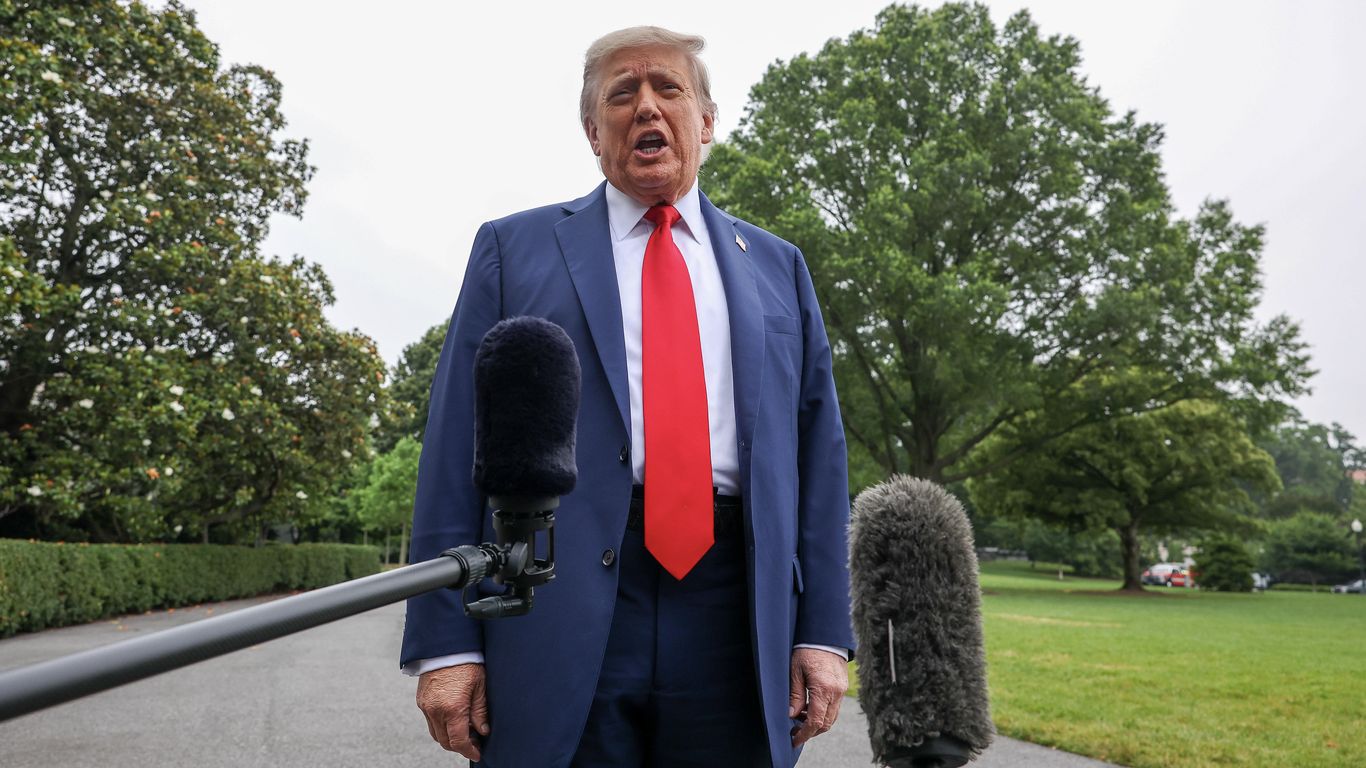
Former President Donald Trump has issued a bold directive to Immigration and Customs Enforcement (ICE), urging the agency to intensify efforts to detain and deport undocumented immigrants in major Democrat-run cities. According to a recent report by Axios, Trump specifically named cities such as Los Angeles, Chicago, and New York as key targets for this renewed focus on immigration enforcement. This move has reignited discussions about the balance between federal authority and local governance, as well as the broader implications for individual rights and community safety.
Impact on Cities and Personal Freedom
Many residents and advocates in these cities argue that such policies could disrupt communities and infringe on personal freedoms. The emphasis on individual autonomy suggests that people should have the right to live without fear of overreaching government actions. Critics of the directive worry that an aggressive deportation campaign could lead to profiling and unnecessary detentions, undermining the trust between local law enforcement and immigrant populations. On the other hand, supporters of Trump’s stance believe that enforcing immigration laws is essential to maintaining order and protecting national interests.
A Call for Limited Government Intervention
At the heart of this debate is the principle of minimal government involvement in personal lives. Overly aggressive federal actions in local jurisdictions can be seen as an overstep, clashing with the idea that communities should have the freedom to address their unique challenges. Democrat-led cities have often adopted sanctuary policies to protect undocumented immigrants, reflecting a preference for local decision-making over federal mandates. Trump’s directive challenges this approach, raising questions about how much power the federal government should wield in such matters.
Economic and Social Considerations
Beyond the issue of personal liberty, there’s also an economic angle to consider. Free and open markets thrive when individuals can contribute to the economy without fear of sudden upheaval. Many undocumented immigrants play vital roles in industries like agriculture, construction, and hospitality. A sweeping deportation effort could disrupt these sectors, potentially leading to labor shortages and economic strain in the targeted cities. Balancing enforcement with economic realities remains a complex challenge for policymakers.
What’s Next for Immigration Policy?
As ICE prepares to act on Trump’s orders, the nation watches closely. Will this push for stricter enforcement lead to safer communities, or will it erode trust and economic stability? The clash between federal directives and local values underscores a broader tension in American governance. For now, the focus remains on how these cities will respond and whether legal challenges will emerge to counter the directive. Stay tuned for updates as this story unfolds.
Read on AXIOS