A fee so high, it blocks the sky,
Talent barred, dreams forced to die,
Markets cry for freedom's reign,
Will innovation break this chain?
New Fee Shakes Up H-1B Visa Program
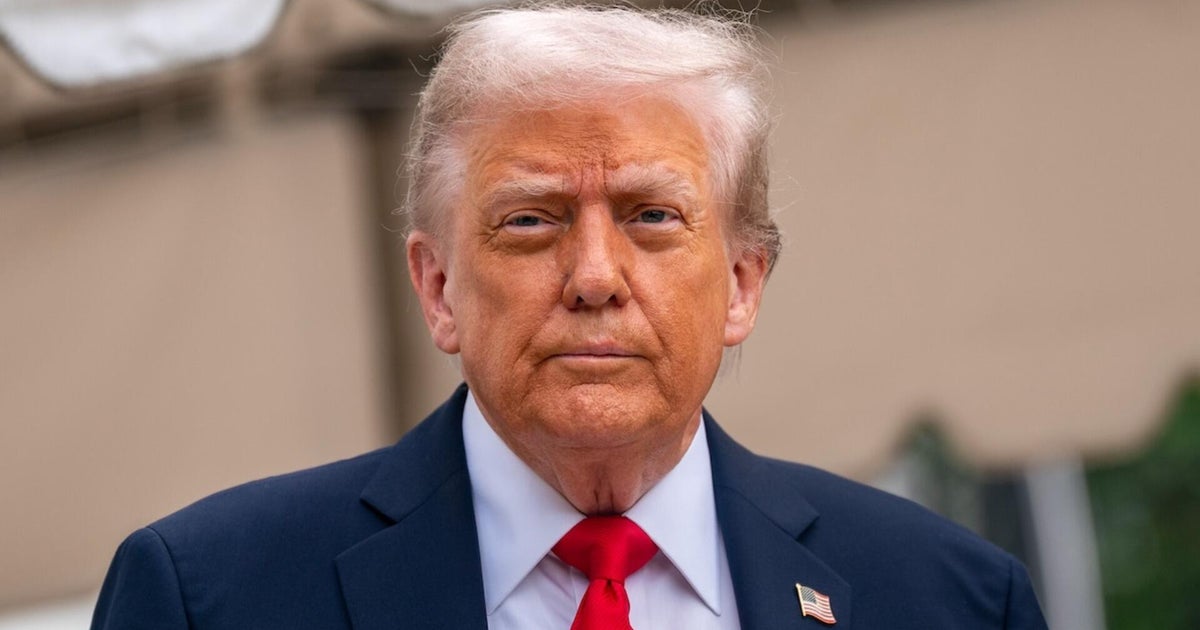
The Trump administration has introduced a staggering $100,000 fee for H-1B visas, a program widely used by tech companies and other employers to bring skilled foreign workers to the United States. Announced recently, this policy aims to curb the use of the visa, which critics argue takes jobs away from American workers. However, many see this as a direct attack on the principles of open markets and individual choice in hiring the best talent, regardless of nationality.
Impact on Businesses and Innovation
For industries like technology, where global talent is often essential, this fee could create significant barriers. Companies may struggle to afford the additional cost, potentially stifling innovation and limiting their ability to compete on a global scale. The freedom to build a workforce based on merit and need, rather than government-imposed restrictions, is at the heart of a thriving economy. This move raises questions about whether such heavy-handed policies align with the values of minimal interference in business decisions.
A Blow to Economic Freedom?
Critics of the fee argue that it undermines the spirit of free enterprise. By placing a steep financial burden on employers, the government is effectively dictating who can be hired, rather than allowing market forces to guide these decisions. Supporters of open borders for talent believe that individuals and companies should have the autonomy to seek the best skills available, fostering competition and growth. This policy, they say, is a step backward from those ideals.
What’s Next for H-1B and Beyond?
As this policy unfolds, its long-term effects on the U.S. economy and global competitiveness remain uncertain. Will businesses find ways to adapt, or will they relocate operations to countries with fewer restrictions? The debate over this fee highlights a broader tension between protecting domestic workers and embracing a borderless approach to talent. For now, the conversation continues, with many advocating for policies that prioritize personal and economic freedom over government control.
Read on CBSNEWS