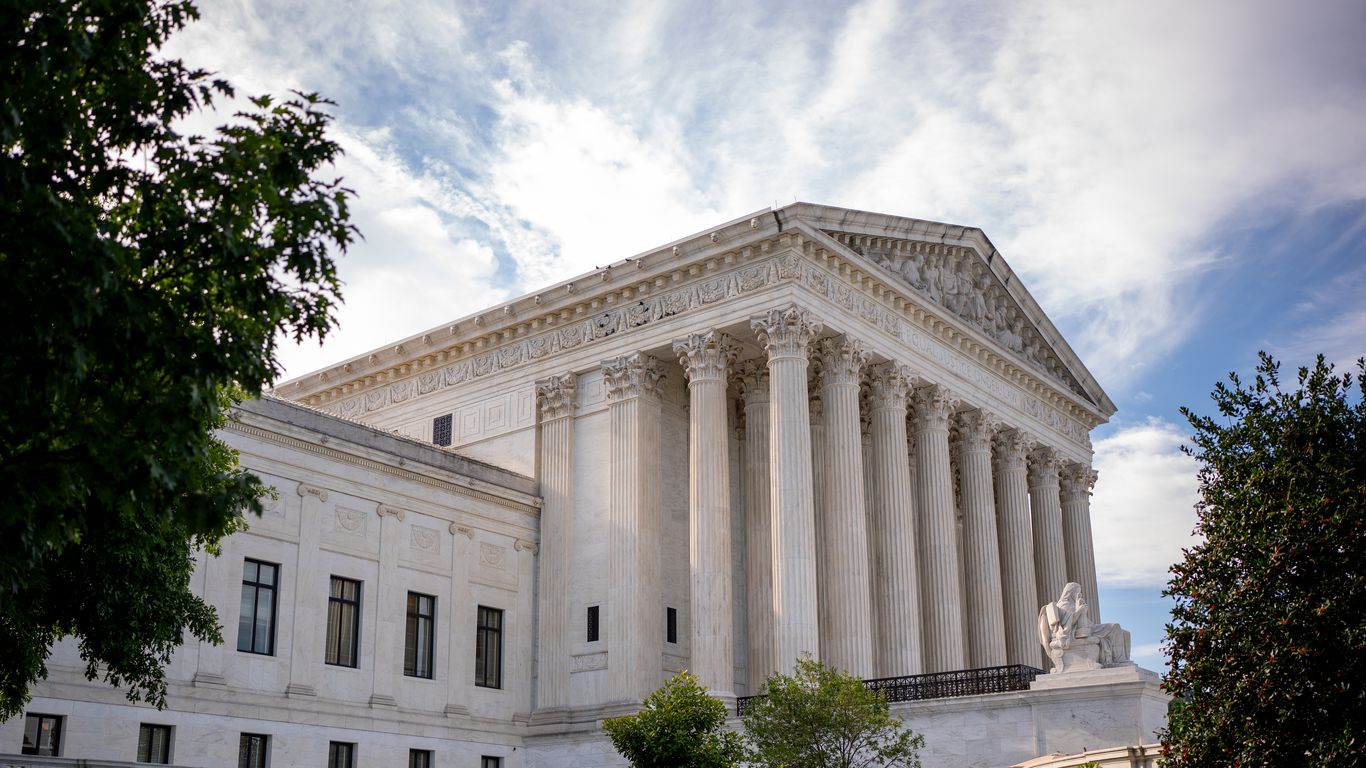
A Landmark Decision on Executive Power
In a significant ruling, the Supreme Court has decided that President Trump holds the authority to dismiss heads of certain federal agencies at will. This decision reinforces the principle of individual freedom by ensuring that elected leaders can shape government operations to reflect the will of the people. However, the Court drew a firm line by insulating the Federal Reserve from such executive overreach, safeguarding its ability to make independent monetary policy decisions.
Protecting Free Markets and the Fed
The protection of the Federal Reserve’s autonomy is a victory for free markets. The Fed’s independence ensures that economic policies are guided by data and expertise, not political whims. Markets reacted with relief to this news, as reported by Axios, with investors confident that interest rates and inflation controls won’t be swayed by short-term political pressures. This balance of power respects the need for minimal government interference in economic systems while allowing the President to maintain accountability over other bureaucratic entities.
Why This Matters to You
For everyday Americans, this ruling strikes a crucial balance. It empowers the President to steer federal agencies in line with voter priorities, promoting a government that serves its citizens. At the same time, by shielding the Fed, the Court ensures that your savings, loans, and investments remain protected from erratic policy shifts. This decision underscores a commitment to personal economic freedom and stability in a system often criticized for overregulation.
Broader Implications for Governance
This ruling raises important questions about the future of executive power and agency independence. While it grants the President greater control over certain sectors of government, it also sets a precedent for protecting key institutions like the Fed from undue influence. Advocates of streamlined governance see this as a step toward reducing bureaucratic bloat, ensuring that agencies remain responsive to the public rather than entrenched interests. Meanwhile, the Fed’s safeguarded status reinforces trust in a market-driven economy, free from excessive state control.
Looking Ahead
As this decision unfolds, its impact on both governance and economic policy will be closely watched. Will this lead to more efficient government operations, or could it risk over-centralization of power? For now, the Supreme Court has struck a delicate balance, championing both individual choice in leadership and the integrity of free economic systems. Stay tuned as this story develops, shaping the intersection of politics and markets in the years to come.
Read on AXIOS