Unveiling the Precision of US Military Strategy
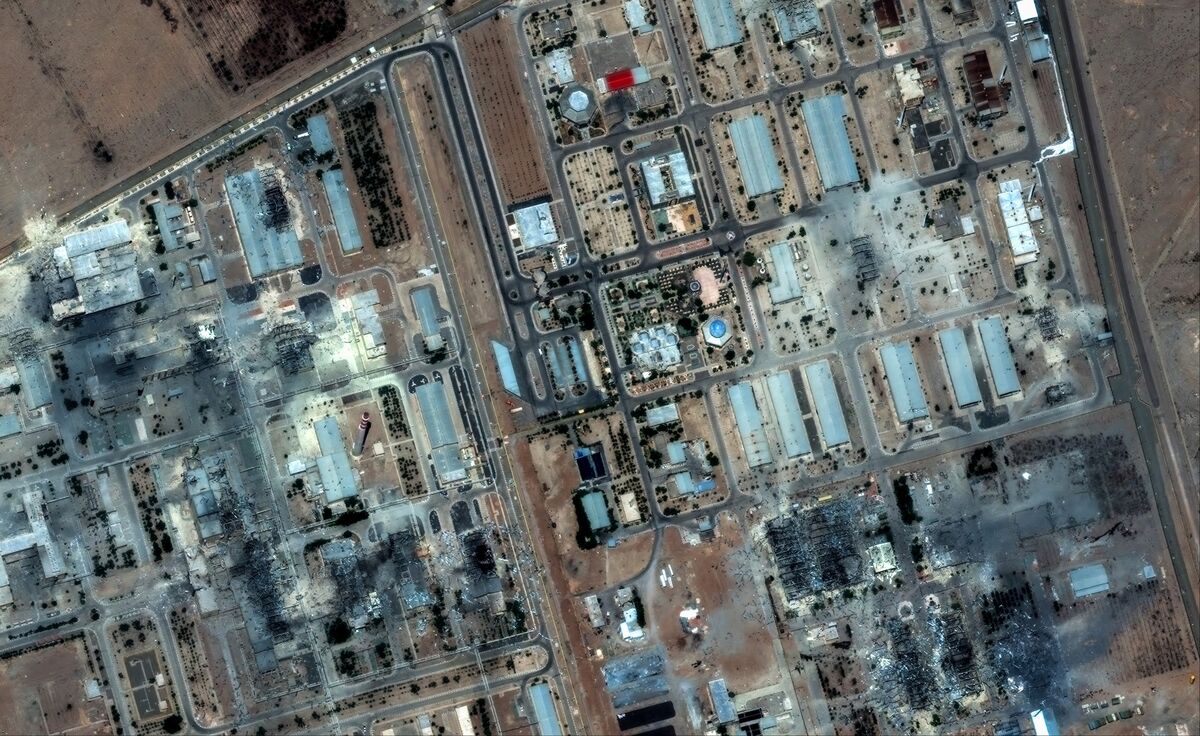
Recent satellite imagery, as reported by Bloomberg, has provided a striking glimpse into the aftermath of US military actions at Iran’s Isfahan facility. The images reveal significant destruction, yet notably, the buildings believed to house three research reactors remain untouched. This raises intriguing questions about the intent and precision of the operation, suggesting a deliberate choice to avoid escalating tensions by targeting critical nuclear infrastructure.
A Commitment to Restraint and Individual Autonomy
In a world often marked by overreach, this apparent restraint aligns with the values of personal freedom and minimal interference. The decision to bypass nuclear reactors could reflect a strategy that prioritizes de-escalation over unchecked aggression, preserving the ability of individuals and nations to chart their own paths without the looming threat of catastrophic fallout. It’s a reminder that even in conflict, there’s room for measured actions that respect boundaries and avoid unnecessary harm.
Free Markets and Global Implications
From an economic perspective, avoiding damage to Iran’s nuclear facilities may help stabilize energy markets and prevent disruptions that could ripple through global trade. A full-scale attack on such infrastructure might have triggered sanctions, oil price spikes, or retaliatory measures, impacting businesses and consumers worldwide. By limiting the scope of destruction, the US may have indirectly supported the principles of open trade and market stability, ensuring that commerce can continue with fewer geopolitical shocks.
What This Means for the Future
These satellite images don’t just show rubble—they highlight a potential shift in how military power is wielded. If the US indeed chose to spare Iran’s reactors, it signals a preference for precision over provocation, a move that could foster dialogue over destruction. For everyday people, this matters. It means a lower risk of broader conflict that could affect lives, economies, and personal freedoms. While the full story behind the strikes remains unclear, the evidence suggests a calculated approach that values restraint over recklessness.
As we reflect on this development, it’s worth considering how such actions shape the balance between security and autonomy. The preservation of these reactors, intentional or not, underscores the importance of policies that limit overreach and prioritize individual and economic freedoms. Stay tuned as more details emerge, and let’s hope for outcomes that continue to favor peace and prosperity over conflict and control.
Read on BLOOMBERG