In Gaza’s chaos, truth takes flight,
Hamas cries wolf, media takes the bait,
BBC reports with all its might,
While facts and reason patiently wait.
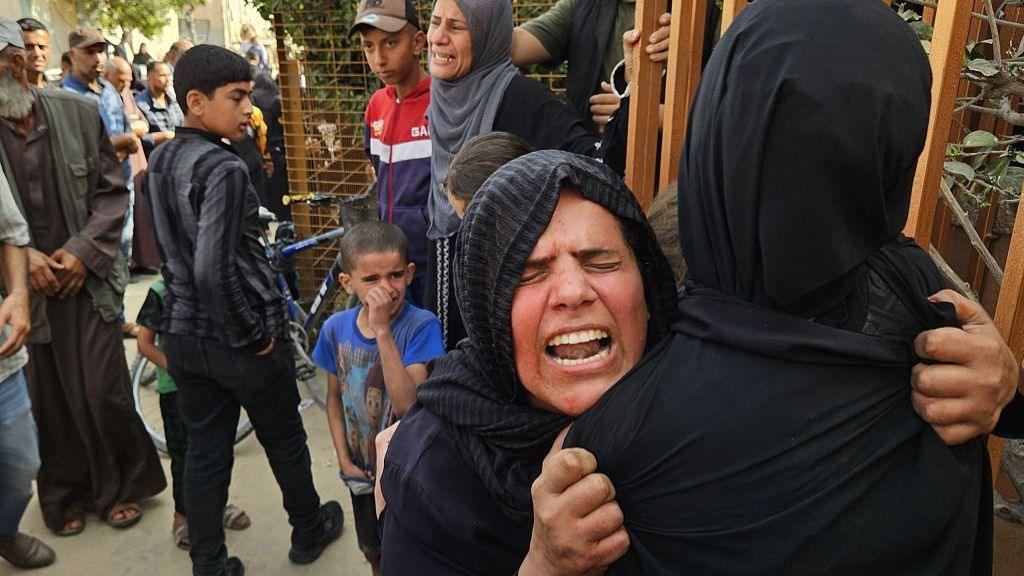
In the fog of war, truth often becomes the first casualty. A recent incident in Gaza, where conflicting reports about a deadly aid distribution have surfaced, exposes the perils of media bias and the urgent need for clarity. While some outlets report Hamas’s claims of Israeli aggression, evidence suggests a more complex reality—one that demands skepticism and accountability.
Conflicting Accounts of the Rafah Incident
In Rafah, Gaza, at least 21 people were killed and dozens injured near an aid distribution site. The Hamas-run civil defense agency claimed 31 deaths by "Israeli gunfire." However, the Israel Defense Forces (IDF) denied targeting civilians, releasing drone footage showing armed men attacking civilians in a nearby area. The Gaza Humanitarian Foundation (GHF), which operates the site, also denied any incident at their location, accusing Hamas of spreading misinformation. This discrepancy underscores the challenge of discerning fact from narrative in conflict zones, where individual liberty to access truthful information is at stake.
Navigating Aid and Accountability in Conflict
The GHF, supported by Western initiatives, faces accusations of mismanagement, while Hamas is alleged to divert aid for its own purposes—claims it denies. This chaos highlights the need for secure, transparent aid delivery to ensure resources reach civilians without being exploited. The media’s role in amplifying unverified claims, such as those from Hamas, risks fueling anti-Israel sentiment and undermining efforts to maintain order and support allies in the region. Critical thinking and evidence-based reporting are essential to cut through the noise and uphold the principles of a free society.
In conclusion, the Gaza aid incident reveals the dangers of unchecked media narratives. By prioritizing evidence over sensationalism, we can better support effective humanitarian efforts and maintain clarity in complex conflicts. Truth and accountability must guide our understanding of events in the Middle East and beyond.
Read on BBC