Israel's Stance on the Madleen Flotilla
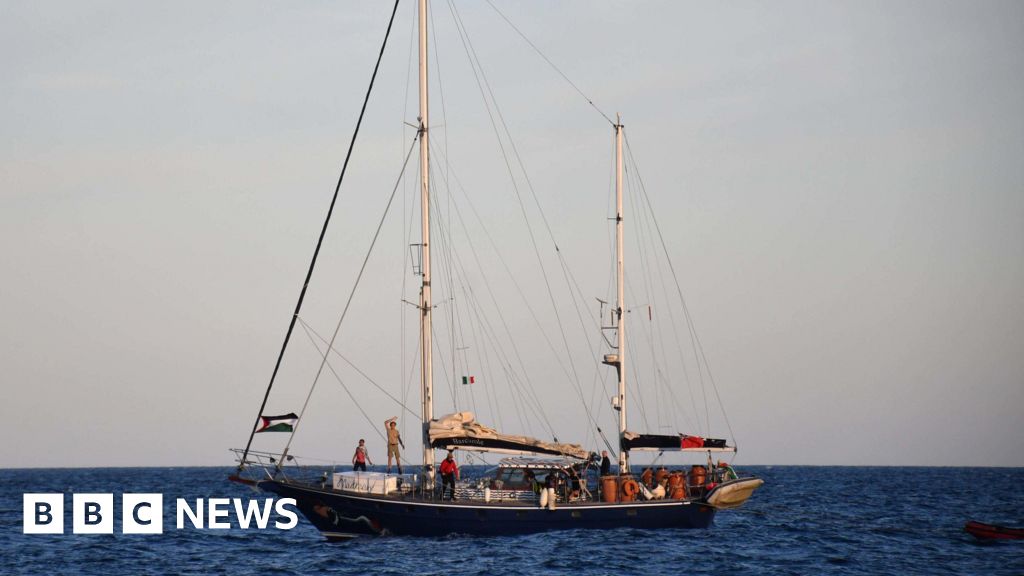
Israel has issued a firm warning against an aid flotilla, named Madleen, attempting to reach Gaza with humanitarian supplies. Defense Minister Yoav Gallant labeled climate activist Greta Thunberg and other participants as 'Hamas propaganda spokespeople,' accusing them of undermining Israel's security measures. This statement, reported by BBC News, has ignited a heated debate over the balance between national security and the fundamental right of individuals to provide aid to those in need.
Humanitarian Aid or Political Statement?
The flotilla, organized to deliver essential supplies to Gaza, is seen by some as a noble act of compassion. However, Israeli authorities argue it poses a risk, potentially smuggling weapons or serving as a platform for political agendas. This clash highlights a broader tension: how much control should a government exert over independent efforts to help others? Advocates for personal autonomy argue that individuals and groups should have the freedom to act on their conscience, especially in crisis zones, without heavy-handed state interference.
The Role of Individual Choice and Open Markets
At the heart of this controversy lies the principle of personal initiative. When people like Thunberg take direct action, they embody the spirit of self-reliance and voluntary cooperation. Critics of Israel's stance suggest that blocking such missions stifles not only aid but also the free exchange of ideas and resources. A system that prioritizes open borders for goods and support, they argue, could better address humanitarian needs while respecting individual rights. Instead of state-enforced barriers, solutions driven by private efforts and mutual agreements could pave the way for more effective aid delivery.
Global Reactions and Implications
The international community has taken notice, with opinions split on whether Israel's actions are justified or overly restrictive. Some see the blockade as a necessary defense mechanism, while others view it as a violation of basic freedoms to assist those in distress. This incident with the Madleen flotilla raises critical questions: Should governments have the final say over who helps whom, or should the emphasis be on empowering people to make those choices themselves? As the situation unfolds, the world watches to see if dialogue and voluntary collaboration can replace conflict and control.
Read on BBC