Middle East Conflict Intensifies with Deadly Strikes
The Middle East is once again gripped by escalating violence as Iran and Israel exchange devastating blows. Over the weekend, Israel launched a series of targeted strikes under 'Operation Rising Lion,' hitting Tehran's leadership and critical energy infrastructure. The attacks have severely disrupted Iran's power supply, leaving many citizens without basic utilities and highlighting the vulnerability of centralized systems. In response, Iran's military unleashed a barrage of missiles on Israel, resulting in over a dozen deaths and widespread fear among civilians.
The Cost of Centralized Power and War
This conflict underscores the dangers of over-reliance on centralized infrastructure, whether it be energy or government control. When a single point of failure is targeted, entire populations suffer. Advocates for individual empowerment argue that decentralized systems—where people have more control over their resources and lives—could mitigate such catastrophic fallout. The free exchange of ideas and innovations in open markets often leads to solutions that prioritize resilience and self-reliance over top-down mandates.
A Call for Peace and Independence
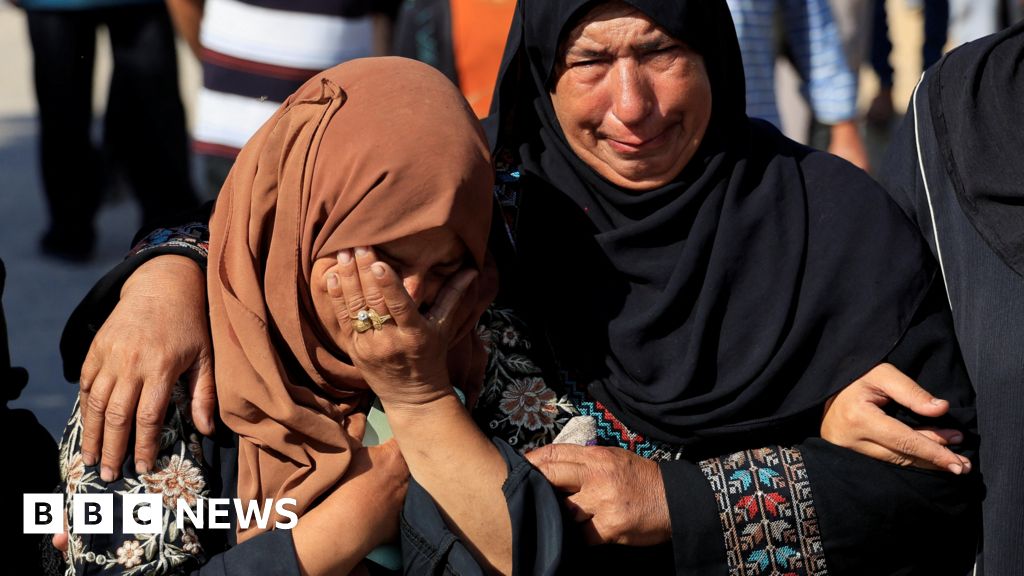
As the death toll rises, the human cost of this geopolitical chess game becomes painfully clear. Families on both sides mourn their loved ones, caught in a cycle of retaliation that benefits neither nation. Many believe that reducing the role of overarching authorities in fueling such conflicts could pave the way for dialogue. Empowering individuals to seek peaceful resolutions through voluntary cooperation, rather than state-driven aggression, might offer a path forward.
Global Implications of the Conflict
The strikes have sent shockwaves through international markets, with oil prices spiking due to fears of further disruption in the energy-rich region. This serves as a reminder of how interconnected our world is and how quickly localized conflicts can impact global stability. For everyday people, the message is clear: fostering personal and community resilience, through independent energy solutions or local trade networks, can provide a buffer against such uncertainties.
Looking Ahead: Freedom Over Force
As the situation unfolds, the hope for peace remains dim but not extinguished. The path to lasting stability lies not in bigger arsenals or tighter control, but in empowering individuals to build their own futures. Open markets and minimal interference from centralized powers can nurture innovation and cooperation, offering a stark contrast to the destruction witnessed in Tehran and Tel Aviv. For now, the world watches, hoping for de-escalation before more lives are lost.
Read on FOXNEWS