A voice silenced in the prime of life,
Echoes of division cut like a knife.
Words of unity ring hollow and thin—
Without action, where do we begin?
A Nation in Mourning, Gripped by Fear
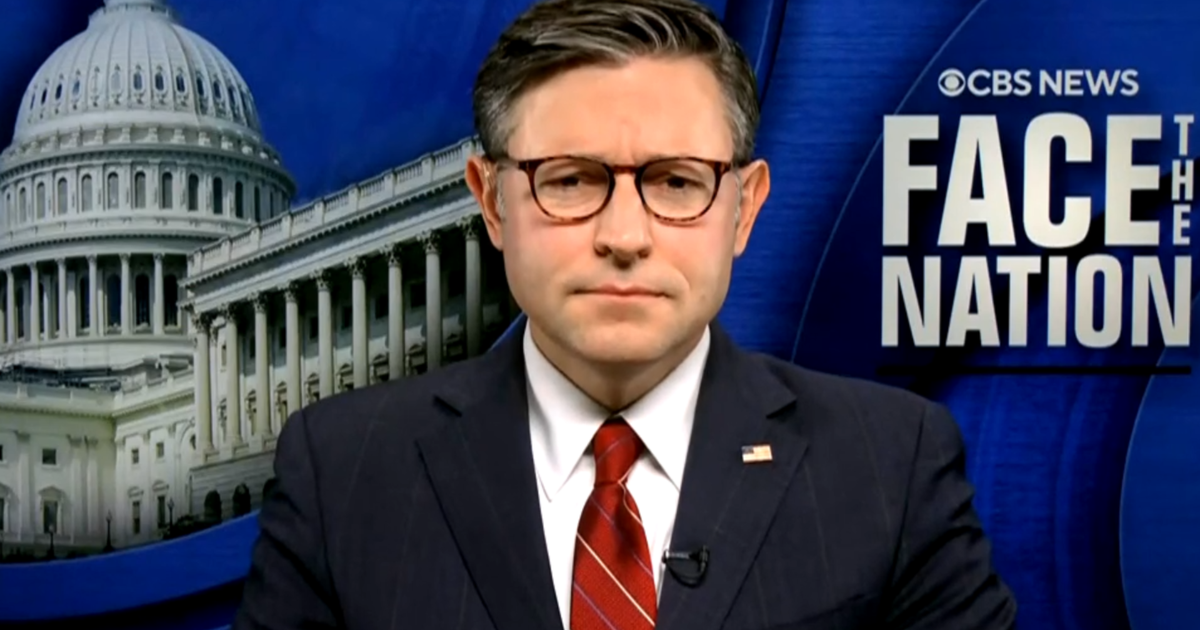
On CBS News' Face the Nation on September 14, 2025, House Speaker Mike Johnson reflected on the assassination of conservative activist Charlie Kirk, shot dead on September 10 while speaking at Utah Valley University in Orem, Utah. "I think this could be a turning point," Johnson said, his voice heavy with a mix of anger, sadness, and fear that has permeated Capitol Hill. He described the atmosphere in Washington as one of profound unease, with lawmakers from both parties whispering about their own safety amid a surge in threats. Kirk, the 31-year-old co-founder of Turning Point USA and a fierce advocate for conservative youth, was gunned down in what Utah Gov. Spencer Cox called a clear "political assassination." The suspect, a 22-year-old unaffiliated voter, remains in custody, but the motive—tied to online radicalization—highlights the toxic brew of division that's left America reeling.
Rhetoric Over Reform: The Right's Fear and the Left's Defiance
Johnson urged all political leaders to "turn down the rhetoric," decrying labels like "Nazis" or "fascists" that poison debate and foster hatred. He advocated for vigorous policy discussions centered on core American principles—individual liberty, limited government, and free markets—without descending into personal animosity. But even as Johnson seeks to lower the temperature, many Republicans are amplifying their fears, blaming Democrats' "extreme rhetoric" for inciting the violence. President Trump, in a Truth Social post, decried the "radical left" for comparing conservatives like Kirk to Nazis, while Rep. Nancy Mace bluntly stated Democrats "own what happened today." Rep. Derrick Van Orden went further, lashing out at the media and Democrats for echoing "horrifically horrible political violent rhetoric."
Democrats, including Senate Minority Leader Chuck Schumer and former President Barack Obama, have condemned the killing as "heinous" and "despicable," rejecting any partisan blame. House Minority Leader Hakeem Jeffries echoed calls for unity, insisting "political violence is NEVER acceptable." Yet, critics point out the hypocrisy: While Republicans decry left-wing rhetoric, they've blocked gun safety measures that Democrats argue could prevent such tragedies. Rep. Alexandria Ocasio-Cortez has rescheduled events out of safety fears, highlighting how violence now threatens everyone. This editorial stance condemns the right's palpable fear of the left—not as unfounded paranoia, but as a symptom of deeper inaction. Moments of silence on the House floor devolve into shouting matches, with Republicans like Anna Paulina Luna accusing Democrats of hate, while ignoring parallel attacks on left-leaning figures, such as the June murders of Minnesota Democratic lawmakers.
Kirk's Legacy: Inspiration or Catalyst for Stagnation?
Charlie Kirk's death leaves a void in the conservative movement, where he championed free speech and youth engagement against what he saw as progressive overreach. Johnson honors him as a patriot whose ideals could unite the nation, but the reality is stark: Social media amplifies extremism unchecked, with algorithms fueling radicalization that led to this lone-wolf attack. Experts warn that without regulating these platforms or passing meaningful reforms—like enhanced security for public figures or curbing online hate—violence will only escalate. Senators from both parties admit the problem feels "baked in," with no clear path forward.
Proposals like a congressional gold medal for Kirk or a Capitol statue, floated by some Republicans, smack of symbolism over substance. Behind closed doors, lawmakers beg for better protection, but budget debates stall any progress. The absence of bipartisan action—on gun laws, online moderation, or even unified security funding—reveals a Congress paralyzed by partisanship.
A Turning Point or More Empty Words?
As America grapples with this loss, Johnson's plea for unity rings true, but it demands follow-through. Will this be the moment leaders transcend fear and division to enact real change? Or will the right's anxiety toward the left fuel more rhetoric, while threats multiply across the spectrum? Polls show Americans from all walks agree: Something is seriously wrong, and words alone won't fix it. Kirk's memory deserves better than performative grief—it calls for bold, collective action to safeguard democracy from its own fragility.
This tragedy reminds us that political violence spares no one. House Speaker Mike Johnson's hope for renewal is noble, but without deeds to match the discourse, America risks a darker path ahead.
Read on CBSNEWS