Texas Woman Dies from Brain-Eating Amoeba After Using Tap Water for Sinus Rinse
A Texas woman tragically died from a brain-eating amoeba infection after using tap water to clean her sinuses, per a CDC report. Learn the risks and safety tips
A Devastating Loss to a Rare Infection
In a heartbreaking incident reported by NBC News, a Texas woman lost her life to a rare and deadly infection caused by a brain-eating amoeba. According to a Centers for Disease Control and Prevention (CDC) case report, the infection occurred days after she used tap water to rinse her sinuses. This tragic event serves as a stark reminder of the hidden dangers that can lurk in everyday practices and the importance of personal awareness in safeguarding our health.
The Dangers of Tap Water in Sinus Rinses
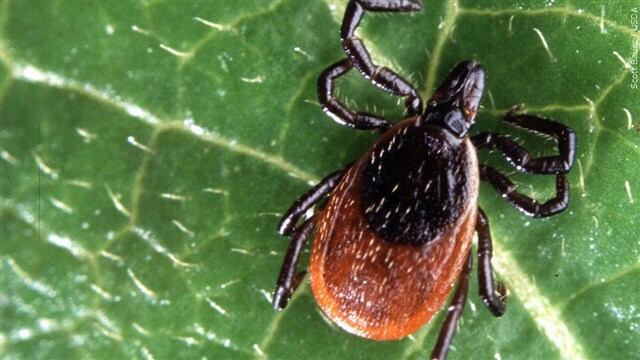
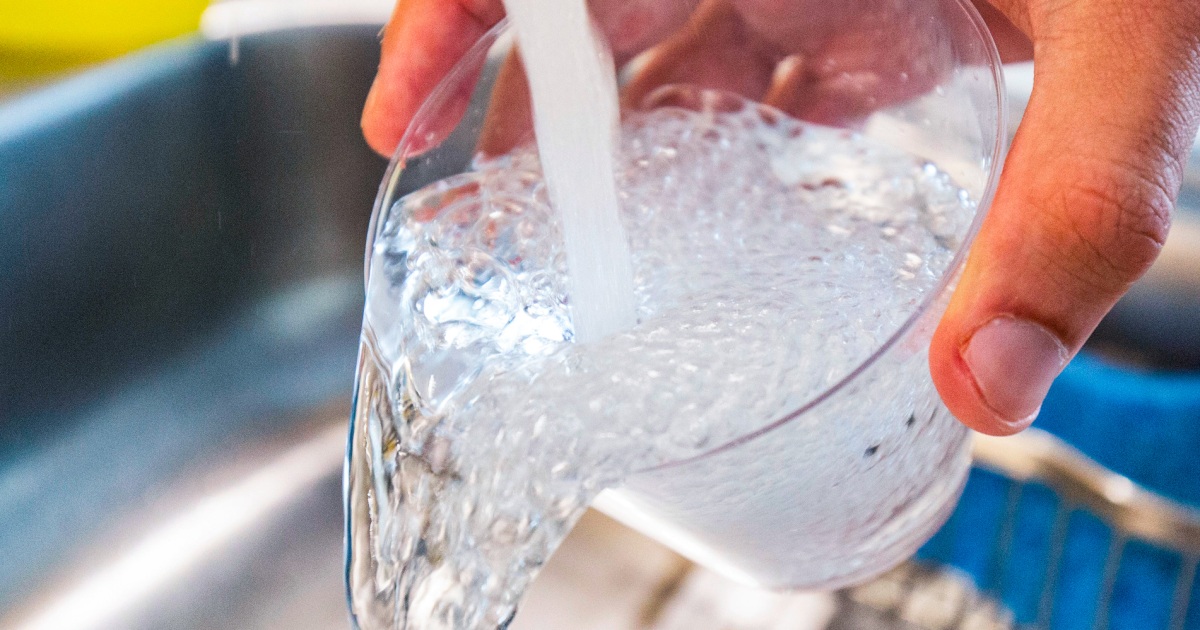
The amoeba, known as Naegleria fowleri, is a microscopic organism found in warm freshwater environments. While infections are extremely rare, they are often fatal. In this case, the woman likely contracted the amoeba through tap water, which may have been contaminated. Health experts emphasize that tap water is not sterile and can harbor harmful pathogens, making it unsafe for nasal irrigation without proper treatment, such as boiling or using distilled water.
Personal Responsibility in Health Choices
This incident underscores the value of individual freedom in making informed health decisions. Relying on personal research and caution, rather than expecting constant oversight from authorities, empowers people to protect themselves. The free exchange of information through independent sources and community knowledge can help spread awareness about such risks, reducing the need for heavy-handed regulations. By taking charge of our own safety—whether through using filtered water or understanding local water quality—we can prevent such tragedies.
Steps to Stay Safe
To avoid similar risks, the CDC recommends using only sterile, distilled, or previously boiled water for sinus rinses. Additionally, ensuring that nasal irrigation devices are properly cleaned and dried after each use can minimize exposure to harmful organisms. These simple, self-directed actions can make a significant difference in personal health outcomes, highlighting how individual initiative often outpaces broad governmental mandates in addressing niche health concerns.
A Call for Awareness, Not Overreach
While this case is a sobering reminder of nature’s unpredictability, it also shows the power of personal accountability over centralized control. Markets can respond by offering affordable water filtration solutions or sterile products for medical use, driven by consumer demand rather than top-down rules. Let this tragedy inspire us to educate ourselves and others, fostering a culture of self-reliance and informed decision-making to prevent future losses.
Read on NBCNEWSMore Health

Families on Obamacare Brace for Higher Health Care Premiums in 2026
Families relying on Obamacare face higher premiums in 2026 as enhanced subsidies expire, threatening affordability for middle-class households.
Read MoreFamilies on Obamacare Brace for Higher Health Care Premiums in 2026
Everything You Need to Know About ‘Kissing Bug’ Disease in the US
Learn about the ‘kissing bug’ disease, now endemic in the US, spreading Chagas. CNN’s Dr. Sanjay Gupta explains diagnosis and treatment options.
Read MoreEverything You Need to Know About ‘Kissing Bug’ Disease in the US
Casey Means' Surgeon General Confirmation Hearing: What to Watch For
Casey Means faces scrutiny in her surgeon general confirmation hearing over qualifications and vaccine views. Here's what to watch for during the process.
Read MoreCasey Means' Surgeon General Confirmation Hearing: What to Watch For