Alarming Rise in Measles Cases Across the U.S.
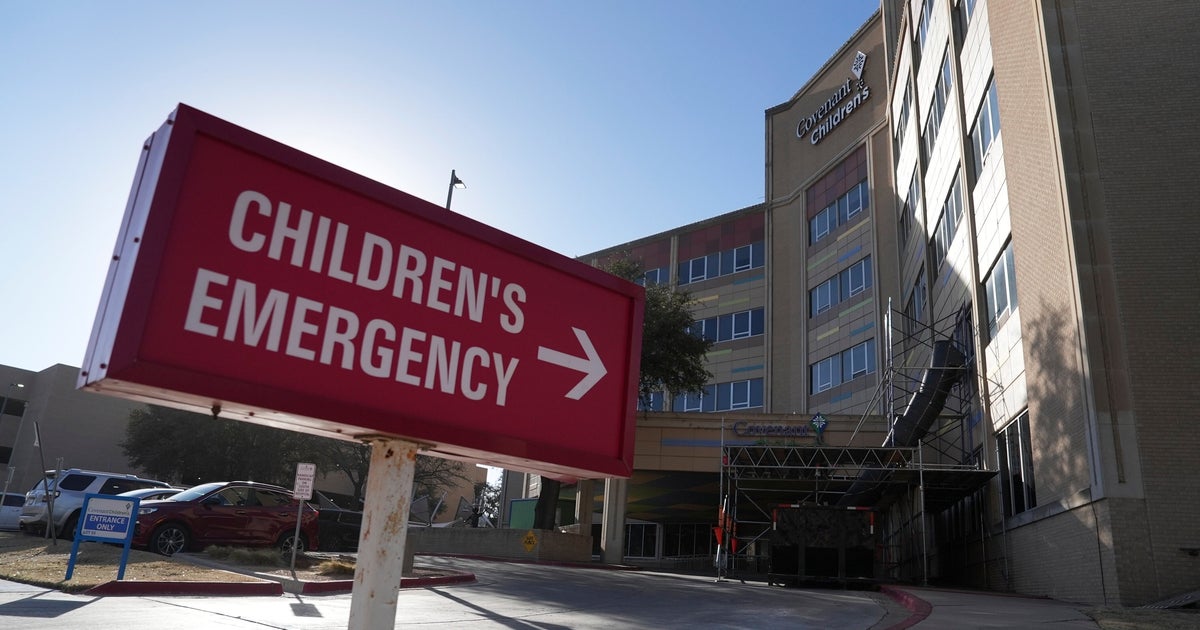
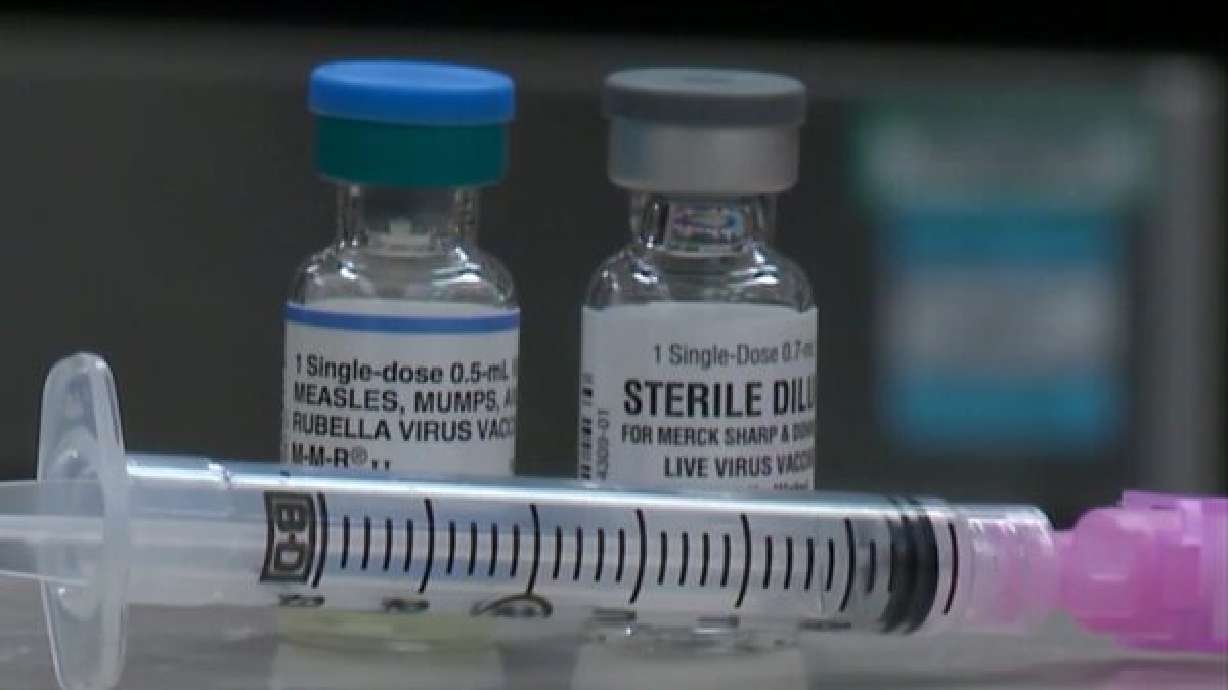
A recent report from HuffPost reveals a troubling surge in measles cases across the United States, with nearly 900 individuals affected. Texas stands at the epicenter of this outbreak, reporting over 600 cases alone. This highly contagious disease, once nearly eradicated, has resurfaced, raising concerns about public health and individual decision-making.
Unvaccinated Individuals at the Core of the Outbreak
According to the data, 97% of those infected are either unvaccinated or have an unknown vaccination status. This statistic underscores the critical role personal choices play in community health. While some argue for the importance of safeguarding personal autonomy in medical decisions, others highlight the ripple effects such choices can have on vulnerable populations, including infants and those with compromised immune systems.
Respecting Individual Freedom in Health Choices
The debate surrounding vaccination often centers on the balance between personal freedom and collective responsibility. Advocates for minimal government involvement stress that individuals should have the right to decide what medical interventions are best for themselves and their families. They argue that heavy-handed mandates can erode trust and personal agency, pushing for education and voluntary compliance over enforced policies.
Free Markets and Access to Health Solutions
Another perspective emphasizes the power of free markets in addressing health crises. By encouraging innovation and competition among healthcare providers and pharmaceutical companies, access to vaccines and alternative solutions can be improved without relying on top-down regulations. This approach champions the idea that informed consumers, rather than government directives, can drive better health outcomes through choice and accountability.
What Can Be Done to Curb the Spread?
As measles continues to spread, particularly in areas with low vaccination rates like parts of Texas, the focus shifts to actionable steps. Public health campaigns that respect individual decision-making while providing clear, accessible information about the risks of measles and the benefits of vaccination could bridge gaps. Community-driven efforts, rather than centralized mandates, may encourage more people to opt for protection without feeling coerced.
This outbreak serves as a reminder of the delicate balance between personal rights and communal well-being. While the numbers are concerning, they also open a dialogue about how society can address health challenges through voluntary cooperation and market-driven solutions, ensuring both freedom and safety for all.
Read on HUFFPOST