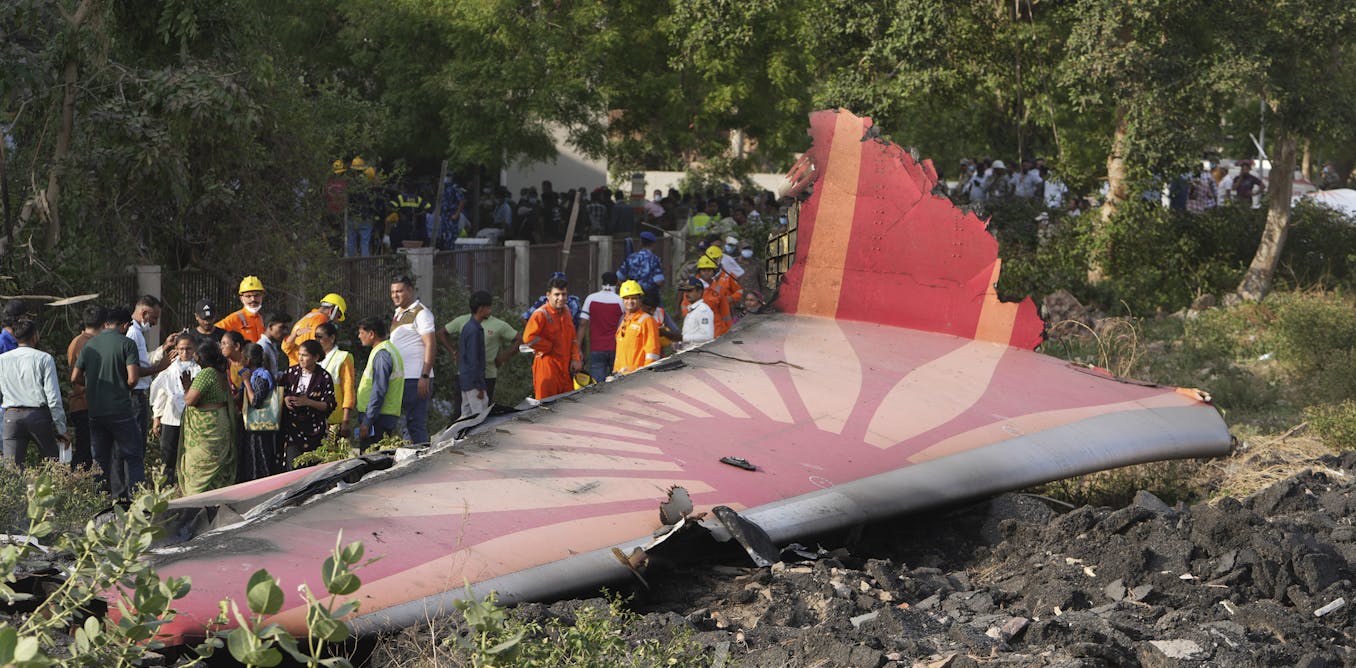
The Dangers of Speculation in Aviation Disasters
In the wake of the recent Air India crash, social media and news outlets are buzzing with theories about what might have gone wrong. From mechanical failures to pilot error, everyone seems to have an opinion. However, an aviation expert writing for The Conversation Africa highlights a critical issue: speculating without concrete evidence is not just unhelpful—it can be damaging. History shows that jumping to conclusions can mislead the public, hinder investigations, and even impact the families of those affected.
Why Evidence Matters More Than Guesses
Investigating an aviation disaster is a complex process that requires time, expertise, and access to data like flight recorders and wreckage analysis. Public speculation often overlooks these intricacies, creating narratives that may be far from the truth. The expert emphasizes that such premature conclusions can pressure authorities or airlines into making rash decisions, potentially compromising safety protocols. Respecting the investigative process ensures that real causes are identified and future tragedies prevented.
Freedom to Question, Responsibility to Wait
While individuals should always have the right to question and discuss events, there’s a fine line between healthy curiosity and reckless conjecture. A society that values personal autonomy and open markets thrives on informed dialogue, not unfounded rumors. When it comes to sensitive matters like aviation crashes, waiting for official findings respects the integrity of the process and honors those affected. Minimal interference from external pressures allows experts to focus on facts, not public opinion.
The Role of Media and Public Discourse
The media plays a significant role in shaping perceptions, and with that power comes responsibility. Amplifying unverified theories can fuel misinformation, especially in an era where news spreads instantly. The expert urges both journalists and the public to prioritize patience over sensationalism. By fostering a culture of accountability and restraint, we can support a system where truth prevails over speculation, ensuring that solutions are based on reality rather than guesswork.
A Call for Patience and Trust
Ultimately, the Air India crash is a tragic reminder of the fragility of life and the importance of getting answers right, not fast. The aviation expert’s warning is clear: let the professionals do their work. By valuing individual responsibility to seek truth and supporting a framework where expertise guides outcomes, we can avoid the pitfalls of speculation. As the investigation unfolds, let’s commit to informed discussions and trust in the process to deliver clarity and justice.
Read on THECONVERSATION