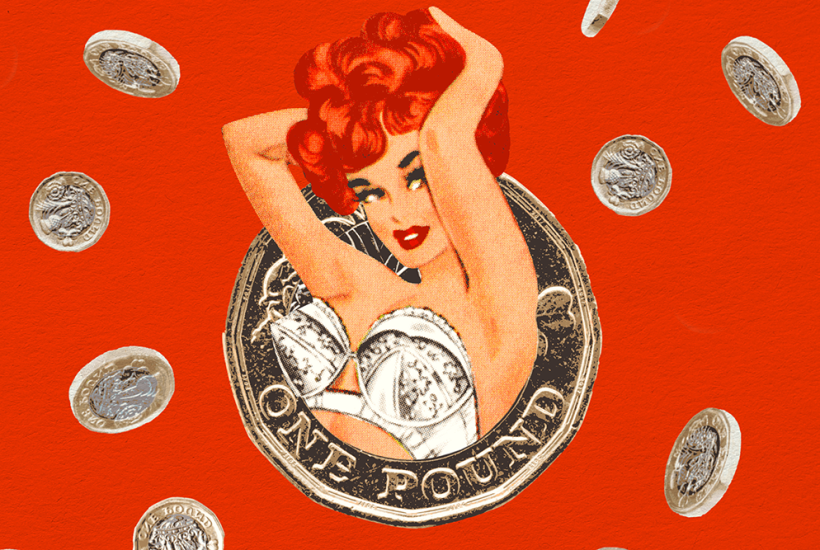
In Britain’s gloom, where hope’s confined,
OnlyFans blooms, a desperate grind.
No freedom here, just bills to pay,
Young women sell their dreams away.
It’s almost comical: nearly 4% of young British women aged 18 to 34 are peddling content on OnlyFans, a London-based platform that’s become a cultural punchline. With 280,000 UK creators, 84% of them women, the numbers paint a grim picture—not of a free, thriving Britain, but of a nation where economic desperation and societal decay push young women into digital exhibitionism. Sure, we can chuckle at the absurdity, but the reality is sobering: this isn’t liberty; it’s a symptom of a broken system.
The Numbers: A Snapshot of Decline
OnlyFans boasts 4.5 million creators globally, with 305 million users in 2023. In the UK, 280,000 accounts—84% female, mostly aged 18 to 24—reveal the platform’s grip on young women. While the platform raked in $6.6 billion last year, the average creator earns a measly $1,300 annually, with most scraping by on less than $1,000. Only a few, like Bonnie Blue, who’s been hailed as a “symbol of new reality” for her extreme antics, cash in big. For most, it’s a hustle born of necessity, not empowerment.
Libertarian Lens: Freedom or Trap?
At first glance, OnlyFans might seem like a libertarian dream—individuals monetizing their content free from corporate shackles. But dig deeper, and it’s no triumph of liberty. Britain’s skyrocketing living costs, stagnant wages, and post-Brexit economic woes have left young women with few options. OnlyFans thrives not because Britain is free, but because its youth are trapped in a system where traditional paths to stability—jobs, education, family—are crumbling. Libertarians champion choice, but when desperation drives decisions, it’s coercion by another name.
Societal Norms Upended
We laugh at figures like Bonnie Blue, who’ve turned provocation into profit, but the joke’s on us. OnlyFans reflects a culture where traditional values—modesty, family, long-term planning—are eroding under economic pressure. Women, particularly young ones, face a society that glorifies quick cash over dignity, where 86% of female creators are barely out of their teens. Critics point to moral decay, but the real culprit is a system that fails to offer viable alternatives, pushing women to commodify themselves for survival.
The Dark Side: Risks and Stigma
The platform’s low earnings—$1,300 on average—highlight its harsh reality: only a handful thrive, while most toil for pennies. Privacy breaches, online harassment, and permanent digital footprints haunt creators, especially women. The stigma of OnlyFans can close doors to future careers, yet economic necessity keeps accounts active. These aren’t the fruits of a free society but the fallout of one failing its youth, where short-term gain comes at long-term cost.
A Call to Face Reality
We can snicker at OnlyFans’ ubiquity, but it’s a warning sign. Britain isn’t a bastion of freedom; it’s a nation where 4% of young women turn to a digital hustle because the system offers little else. Conservatives and libertarians must push for real solutions—lower taxes, affordable housing, and policies that rebuild economic opportunity—so young women aren’t forced into platforms like OnlyFans to make ends meet. The platform’s rise is a mirror to our failures, not a celebration of choice.
Conclusion: The fact that 4% of young British women are on OnlyFans is laughable until you see the truth: it’s a symptom of a failing Britain, not a free one. Economic desperation, not empowerment, drives this trend, reflecting a society where opportunity is scarce and traditional paths are blocked. We can mock the platform’s absurdity, but the real challenge is fixing a system that pushes young women into such choices. America, take note—lest we follow Britain’s path into decline.
Read on SPECTATOR