Beyoncé soars, in cars that sway,
Stage props falter, yet she’s okay.
Viral fame, at safety’s cost,
Pop’s grand show, where lives are tossed.
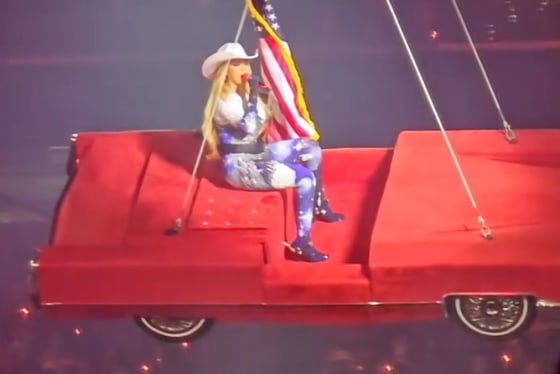
In a heart-stopping moment that’s taken pop culture by storm, Beyoncé narrowly escaped disaster during her June 28, 2025, concert in Houston. While performing “16 Carriages,” a red car stage prop suspended above the crowd tilted due to a technical glitch, nearly causing the superstar to fall. Beyoncé’s quick thinking—calmly signaling “Stop, stop, stop” to halt the show—ensured her safe return to the stage. The viral video of the incident, viewed over 20 million times, has sparked heated debate about safety in live performances, exposing the risks behind pop spectacle.
The Incident: A Close Call
During her sold-out show at NRG Stadium, Beyoncé was hoisted above the crowd in a replica red car, a nod to her “Cowboy Carter” album. Mid-song, the prop malfunctioned, tilting dangerously and leaving her dangling. With remarkable composure, she signaled for the crew to stop, was safely lowered, and resumed the concert, joking, “If I ever fall, I know y’all will catch me.” Fans praised her professionalism, but the viral clip, shared widely on X, ignited concerns about the safety of elaborate stage setups in modern pop concerts.
Pop Culture’s Obsession with Spectacle
Beyoncé’s near-miss isn’t an isolated incident. Recent years have seen stage collapses, pyrotechnic mishaps, and other accidents at concerts by artists like Drake and Taylor Swift. The drive for ever-grander spectacles—fueled by fan expectations and social media clout—puts performers and audiences at risk. OSHA reported 15 serious stage-related incidents at U.S. concerts in 2024 alone. The Houston fiasco highlights how the pursuit of viral moments can outstrip safety protocols, leaving even icons like Beyoncé vulnerable to equipment failures.
Libertarian Perspective: Freedom and Responsibility
From a libertarian viewpoint, this incident underscores the need for individual accountability over regulatory overreach. Concert organizers and artists should be free to innovate with stage designs, but they must prioritize safety through rigorous private standards, not government mandates. Beyoncé’s quick response shows personal responsibility in action, but the venue’s failure to ensure reliable equipment points to a lapse in private oversight. Libertarians argue that market competition—fans choosing safer venues—should drive accountability, not bloated bureaucracies imposing one-size-fits-all rules.
The Viral Fallout
The video of Beyoncé’s near-fall exploded online, trending on X with hashtags like #BeySafe and #HoustonCloseCall. Fans lauded her grace, but critics questioned NRG Stadium’s safety protocols, noting its history of technical issues. Some pointed to broader industry trends, with one X user quipping, “Pop stars are risking their lives for Instagram reels.” The incident overshadows other recent pop culture stories, like Beyoncé’s criticized “Buffalo Soldiers” shirt in Paris or K-pop star Bain’s coming-out, both from earlier in June and less immediate in impact.
A Call to Prioritize Safety
Beyoncé’s close call is a warning for the entertainment industry and fans alike. Conservatives and libertarians should push for a culture that values performer safety over spectacle, urging venues to invest in reliable equipment and transparent inspections. Fans can drive change by supporting artists who prioritize safety, using their dollars to reward responsibility. The incident is a reminder that pop culture’s glitz must not come at the cost of human lives. Let’s demand accountability without inviting government overreach into private events.
Conclusion: Beyoncé’s near-fall at her Houston concert on June 28, 2025, is the most shocking pop culture story in the last 24 hours, exposing the risks of elaborate stage setups. Her professionalism averted disaster, but the viral incident highlights a troubling trend in the industry’s obsession with spectacle over safety. Conservatives and libertarians must champion private accountability, ensuring venues prioritize reliable equipment without inviting government meddling. This close call demands a reckoning—pop culture must dazzle, not endanger.
Read on NBCNEWS